
Environmentally Friendly Construction
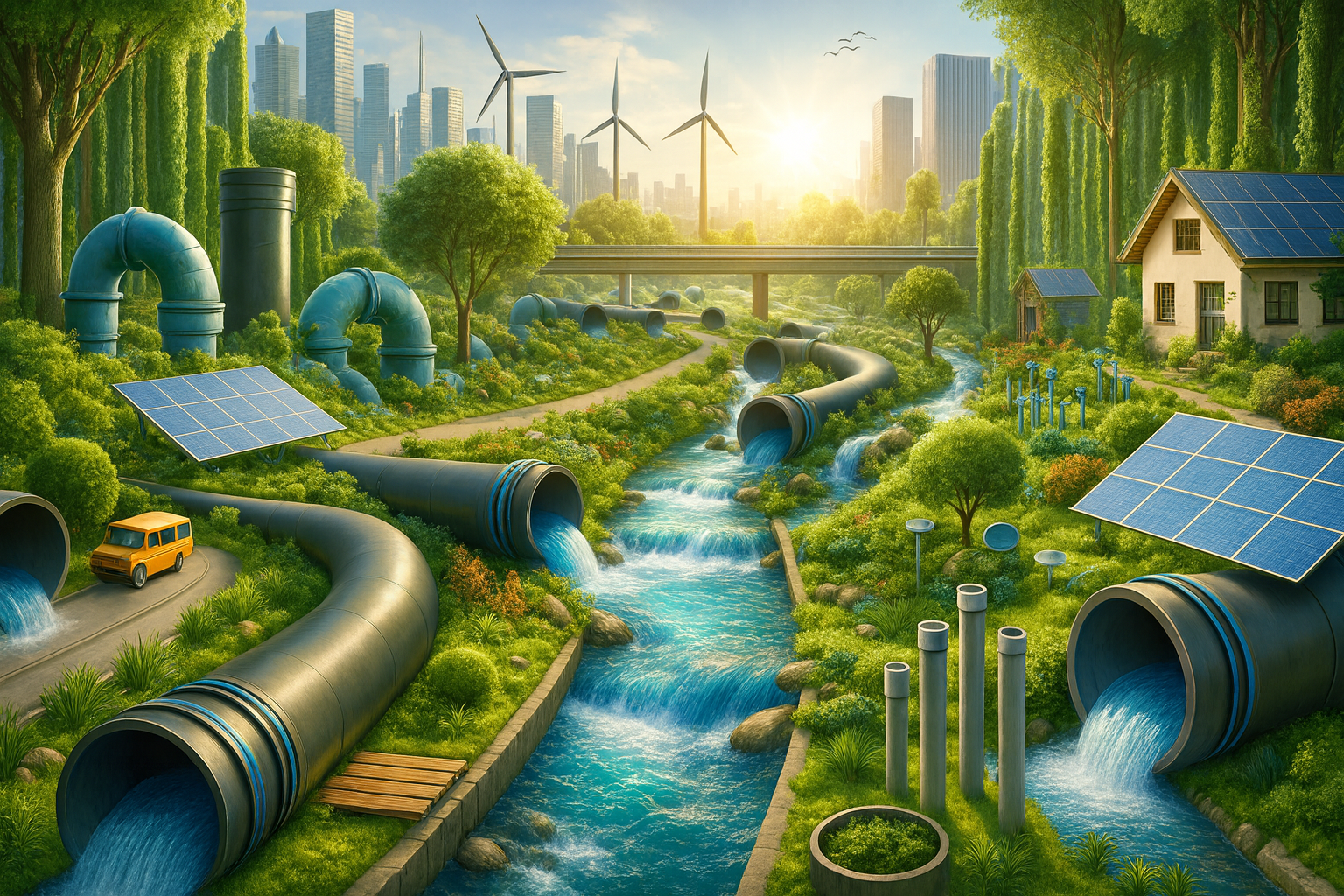
At GEM Industrial, we believe infrastructure should serve communities for generations - not just decades. That’s why we champion High-Density Polyethylene (HDPE) pipes as a cornerstone of sustainable construction. Whether it’s delivering clean water, managing stormwater, or supporting industrial systems, HDPE offers unmatched environmental and operational benefits.
We are acutely aware of the lasting presence our work has on the environments and communities in which we operate. We acknowledge our responsibilities on each project and provide leadership to deliver sustainable outcomes and exceed the expectations of stakeholders.
As the global focus on sustainability intensifies, infrastructure development is evolving to embrace eco-friendly materials and practices. High-Density Polyethylene (HDPE) pipes are playing a pivotal role in this transformation. Here’s how HDPE pipes are driving the shift toward sustainable infrastructure:
Eco-Friendly Manufacturing: HDPE pipes are manufactured with minimal environmental impact. Their production requires less energy compared to traditional materials like concrete or steel, resulting in a lower carbon footprint. Additionally, HDPE is recyclable, making it a prime choice for environmentally conscious projects.
Longer Lifespan, Fewer Replacements: HDPE pipes are renowned for their durability, with a lifespan exceeding 50 years and up to 100 in many cases. This longevity reduces the need for frequent replacements, minimizing waste and conserving resources.
Energy Efficiency in Transportation and Installation: The lightweight nature of HDPE pipes reduces energy consumption during transportation and installation. Unlike heavier materials, HDPE pipes require less fuel for transport and can often be installed without heavy machinery, further cutting emissions.
Leak-Free Fusion Welding: Techniques like butt fusion and electrofusion create seamless, monolithic joints that eliminate leakage. This protects water resources, reduces contamination risk, and supports conservation goals.
Resistance to Corrosion and Chemicals: HDPE pipes are highly resistant to corrosion and chemical damage, ensuring water quality and preventing leaks. This durability reduces water wastage, a critical factor in sustainable water management.
Adaptability for Green Projects: HDPE pipes are versatile, making them ideal for green initiatives such as:
Rainwater harvesting systems.
Solar-powered irrigation systems.
Sustainable urban drainage systems (SUDS).
Contributing to Circular Economy Goals: Because HDPE is recyclable, the pipes can be repurposed at the end of their lifecycle, contributing to the circular economy. Many HDPE pipes are even manufactured with recycled materials, further reducing their environmental impact.
Minimal Site Disruption: Faster installation, trenchless options, and reduced machinery needs mean HDPE projects are quieter, cleaner, and less disruptive to local ecosystems and communities.
Built for the Future: From drought-resilient water pipelines to diversion works in ecologically sensitive zones, HDPE pipes are helping Australia—and the world—build smarter, cleaner infrastructure. At GEM Industrial, we pair this material advantage with decades of fusion welding expertise, delivering projects that stand the test of time and environmental scrutiny.
In addition to current policy, GEM Industrial will adhere to the following site specic controls:
Minimized vehicle movement by means of a Controlled Vehicle Movement plan. Minimised noise, dust and pollution emission, by utilising well serviced and maintained equipment, not allowing plant or equipment to sit at idle during non operational periods.
Implementing dust suppression techniques.
Utilise sediment control techniques to stop sediment pollution to surrounding waterways.
Endeavour to minimise the amount of trench open over night or weekend periods so as to minimise the possibility of harm to fauna.
Endeavour to utilise as much original excavated material/spoil in the backll and re-instatement process.
Conduct works and re-instate work area leaving as small a footprint as possible.
Zero harm to ora, fauna and waterways is our goal.